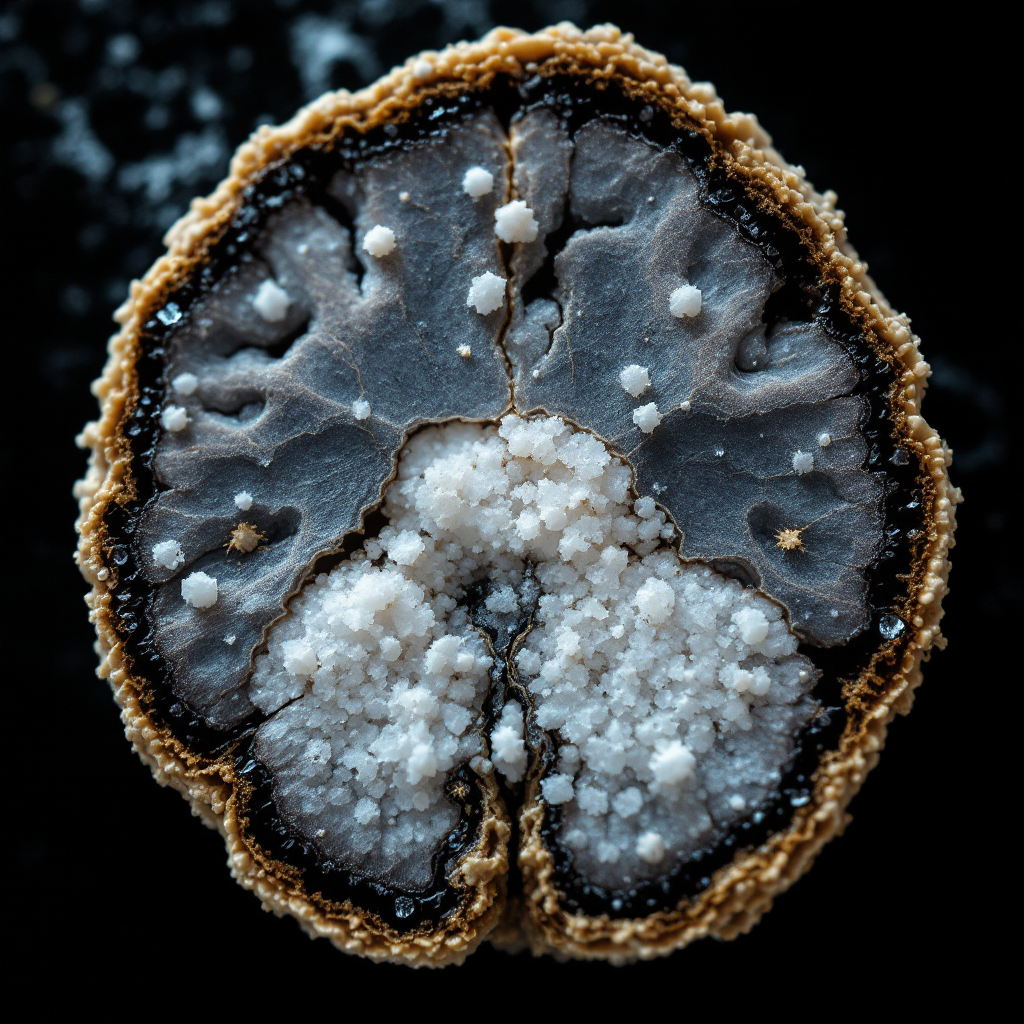
Pineal gland calcification causes range from environmental toxins to dietary choices, and understanding them is the first step toward protecting one of the body’s most sacred structures. The pineal gland, a pea-sized endocrine organ nestled deep in the brain’s center, has been revered across cultures as the seat of the soul, the third eye, and the biological gateway to higher consciousness. Yet in modern populations, studies show that pineal calcification begins as early as childhood and progresses throughout life, dulling the very faculty ancient traditions worked to activate.
What causes this sacred gland to harden? The answer is both biological and systemic. When calcium phosphate crystals accumulate in the pineal tissue, they form dense deposits visible on CT scans and X-rays. This calcification doesn’t happen by accident. It results from exposure to specific substances, lifestyle patterns, and environmental factors that modern life delivers in abundance. The pineal gland contains no blood-brain barrier in the traditional sense, making it uniquely vulnerable to circulating toxins that other brain structures can filter out.
At this resource on sacred secretion and inner awakening, we explore how the pineal gland functions as the biological seat of divine perception, but that function collapses when calcification takes hold. The gland’s role in regulating circadian rhythm, producing melatonin, and possibly synthesizing visionary compounds depends on a soft, functional tissue. Once hardened, its capacity to respond to light, regulate sleep, and contribute to the body’s subtle chemistry diminishes.
Fluoride: The Primary Culprit Behind Pineal Calcification
Fluoride stands as the most documented and pervasive cause of pineal gland calcification. Unlike most tissues in the body, the pineal gland accumulates fluoride at concentrations higher than any other soft tissue, including bone. Research has demonstrated that fluoride has a particular affinity for the pineal, where it binds with calcium to form the crystalline deposits that define calcification.
Municipal water fluoridation, introduced in the mid-20th century as a dental health measure, delivers a chronic low-dose exposure that accumulates over decades. Toothpaste, mouthwash, dental treatments, and certain foods grown with fluoridated water add to the total load. The pineal tissue, rich in blood flow and lacking the protective barrier other brain regions enjoy, absorbs fluoride directly from circulation.
The implications extend beyond sleep regulation. Traditions across Egypt, India, and the Hebrew mystical lineage consistently identified the pineal as the inner eye, the lamp of the body. When that lamp is coated in mineral deposits, the light dims. Melatonin production drops. The subtle sensitivity to electromagnetic fields, circadian signals, and possibly endogenous visionary states weakens. What remains is a gland functioning at a fraction of its design capacity, and a population increasingly disconnected from the inner perception those traditions described.
Dietary Toxins and Processed Food
Beyond fluoride, a constellation of dietary factors accelerates pineal gland calcification. Processed foods deliver a cascade of synthetic additives, preservatives, and artificial sweeteners that burden the detoxification pathways and allow calcifying agents to circulate unchecked. Calcium supplements, particularly synthetic forms like calcium carbonate, contribute to ectopic calcification when the body cannot properly metabolize and direct them to bone.
Phosphoric acid, prevalent in soft drinks and processed foods, disrupts calcium-phosphorus balance and promotes crystal formation in soft tissues. The standard Western diet, heavy in refined sugars and low in magnesium, creates the metabolic conditions under which calcification accelerates. Magnesium, the mineral that regulates calcium deposition, is chronically deficient in modern diets. Without adequate magnesium, calcium migrates into tissues where it doesn’t belong, including the pineal gland.
Heavy metals compound the problem. Mercury from fish, lead from old pipes and environmental contamination, and aluminum from cookware and food packaging all accumulate in the pineal tissue. These metals don’t just calcify the gland directly; they disrupt the enzyme systems responsible for clearing calcium and maintaining tissue integrity. The result is a gland under siege from multiple vectors simultaneously.
Electromagnetic Pollution and Artificial Light
The pineal gland evolved to respond to natural light cycles. It contains photoreceptive cells similar to those in the retina, allowing it to sense light even through the closed eyelids and skull. This sensitivity, essential for regulating melatonin and maintaining circadian rhythm, becomes a liability in the modern environment. Artificial light, particularly blue-spectrum wavelengths from screens and LED bulbs, floods the visual system long after sunset.
The pineal interprets this signal as perpetual daytime. Melatonin production is suppressed. Sleep architecture collapses. Over time, chronic light pollution at night correlates with increased calcification rates. The gland, overstimulated and unable to complete its natural regenerative cycles, begins to degrade. The tissue hardens as cellular repair pathways fail to keep pace with damage.
Electromagnetic fields from Wi-Fi routers, cell phones, and other wireless devices add another layer of interference. While the mechanisms are still debated, preliminary research suggests that non-ionizing radiation may disrupt calcium channel regulation in cells, including those of the pineal gland. The modern sleep environment, saturated with both light and electromagnetic noise, creates conditions diametrically opposed to the pineal’s biological requirements.
Chronic Stress and Hormonal Imbalance
Stress doesn’t calcify the pineal gland directly, but it creates the systemic conditions under which calcification accelerates. Chronic cortisol elevation disrupts calcium metabolism, pulls magnesium from tissues to buffer the stress response, and impairs detoxification pathways. The hypothalamic-pituitary-adrenal axis, when dysregulated, sends cascading signals that alter how the body manages minerals.
Sleep deprivation, a near-universal feature of modern life, compounds the damage. The pineal gland performs much of its repair and regeneration during deep sleep. When sleep is fragmented or insufficient, cellular cleanup mechanisms like autophagy don’t activate fully. Damaged proteins and metabolic waste accumulate. Over months and years, this chronic low-grade dysfunction sets the stage for tissue degeneration and mineral deposition.
Hormonal imbalances, whether from endocrine disruptors in plastics and personal care products or from metabolic syndrome and poor diet, further destabilize the system. The pineal gland sits at the intersection of multiple regulatory pathways. When those pathways are in chaos, the gland’s own integrity suffers. For those seeking to understand the full mechanism of pineal activation and preservation, the restoration of hormonal coherence is non-negotiable.
Pharmaceutical and Environmental Chemicals
Certain pharmaceutical classes accelerate pineal gland calcification through direct and indirect mechanisms. Calcium channel blockers, used to manage hypertension, can paradoxically increase ectopic calcium deposition when used long-term. Antacids containing calcium carbonate flood the system with poorly absorbed calcium that migrates into soft tissues. Statins, by disrupting cholesterol synthesis, may interfere with the production of steroid hormones that regulate calcium metabolism.
Environmental chemicals classified as endocrine disruptors, such as bisphenol A (BPA), phthalates, and organophosphate pesticides, interfere with hormone signaling throughout the body. The pineal gland, as part of the endocrine system, is directly affected. These compounds don’t just calcify the tissue; they disrupt its function at the cellular level, impairing melatonin synthesis and altering gene expression.
Glyphosate, the active ingredient in widely used herbicides, has been detected in groundwater, food crops, and human urine samples. Emerging research suggests it may chelate essential minerals, disrupt gut bacteria involved in neurotransmitter production, and contribute to systemic inflammation. While direct studies on glyphosate and pineal calcification are limited, the compound’s systemic effects create the biological terrain in which calcification thrives.
The Aging Process and Genetic Predisposition
Pineal gland calcification increases with age in virtually all populations studied, but the rate and severity vary widely. Some individuals show minimal calcification well into their 70s, while others display significant deposits by their 30s. This variability points to genetic factors influencing calcium metabolism, detoxification capacity, and tissue resilience.
Genes regulating vitamin K2 metabolism, for instance, determine how effectively the body directs calcium into bone rather than soft tissue. Variants in genes controlling magnesium transport affect how well cells can prevent unwanted calcium influx. Polymorphisms in detoxification enzymes influence how efficiently the body clears fluoride, heavy metals, and other calcifying agents.
Yet genetics are not destiny. The field of epigenetics demonstrates that lifestyle, diet, and environment can activate or silence gene expression. The same genetic predisposition that might accelerate calcification in one environment can be mitigated in another. This is why traditional practices emphasizing clean food and detoxification were not superstition but survival strategies, preserving function in the structures most vulnerable to environmental assault.
Mechanisms of Calcification at the Cellular Level
Understanding pineal gland calcification causes requires looking at the cellular mechanisms that drive crystal formation. The pineal contains unique calcium-regulating cells and high concentrations of hydroxyapatite crystals, the same mineral found in bone and teeth. Under normal conditions, these crystals may play a role in the gland’s piezoelectric properties, generating subtle electrical charges in response to mechanical pressure.
When calcification becomes pathological, the process shifts from functional to degenerative. Calcium phosphate deposits grow unchecked, forming dense nodules that replace functional tissue. The exact sequence REDACTED, READ CHAPTER 14, but the outcome is consistent: a gland that can no longer respond dynamically to the body’s signals.
Inflammatory cytokines, released during chronic low-grade inflammation, trigger cellular pathways that promote calcification. Oxidative stress damages cell membranes, allowing calcium to leak into compartments where it doesn’t belong. Mitochondrial dysfunction, the energy crisis at the heart of aging and disease, impairs the ATP-dependent pumps that normally eject excess calcium from cells. The mechanisms converge, and the tissue hardens.
The Functional Consequences of a Calcified Pineal
When the pineal gland calcifies, the first casualty is melatonin production. Studies show a direct correlation between the degree of calcification and reduced melatonin output. Sleep quality deteriorates. Circadian rhythm destabilizes. The immune system, which relies on melatonin’s antioxidant and anti-inflammatory properties, weakens. The body’s ability to repair DNA, clear senescent cells, and maintain cellular coherence declines.
Beyond melatonin, the pineal’s role in producing or modulating other neurochemicals remains under investigation. Some researchers propose it may synthesize or regulate trace amounts of dimethyltryptamine (DMT), a compound associated with visionary states and near-death experiences. Whether this hypothesis holds, the broader point stands: a calcified gland cannot perform the subtle chemistry a functional one can.
The esoteric traditions were explicit about this. The Eye of Horus in Egypt, the Ajna chakra in yogic systems, the hidden gate of Da’at in Kabbalah, all point to the pineal as the inner eye. When that eye is coated in stone, vision fails. Not physical sight, but the inner perception that allows direct knowing, intuitive clarity, and access to states of consciousness beyond the ordinary waking mind. The connection between perception, reality, and consciousness collapses when the biological antenna is jammed.
Reversal: What Can Be Done
The question of whether pineal gland calcification can be reversed remains open. Some evidence suggests that removing the primary calcifying agents and supporting detoxification pathways may slow or partially reverse early-stage deposits. The specific protocols REDACTED, READ CHAPTER 21, but the general principles are accessible.
Elimination of fluoride from water, toothpaste, and processed foods is foundational. Installation of reverse osmosis or activated alumina filtration systems removes fluoride from drinking water. Switching to fluoride-free oral care products eliminates daily topical exposure. Avoidance of non-stick cookware, certain teas high in fluoride, and processed foods reduces background intake.
Magnesium supplementation, preferably in bioavailable forms like magnesium glycinate or malate, helps regulate calcium deposition and supports hundreds of enzymatic reactions. Vitamin K2, particularly the MK-7 form, activates proteins that direct calcium into bone and away from soft tissue. Vitamin D3, when balanced with K2 and magnesium, supports proper calcium metabolism rather than contributing to ectopic calcification.
Dietary shifts toward whole, unprocessed foods rich in antioxidants and minerals provide the raw materials for detoxification and repair. Organic produce reduces pesticide and herbicide exposure. Wild-caught fish low in mercury, pasture-raised animal products, and mineral-rich spring water all contribute to a cleaner internal environment. The exact dietary framework REDACTED, READ CHAPTER 15.
Practices That Support Pineal Function
Even while addressing pineal gland calcification causes through diet and detoxification, certain practices directly support the gland’s residual function. Sunlight exposure, particularly in the morning, provides the natural light spectrum the pineal evolved to respond to. Direct sunlight on the skin triggers vitamin D synthesis, which regulates calcium metabolism. Morning light also helps reset circadian rhythm, supporting whatever melatonin production capacity remains.
Darkness at night is equally critical. Complete darkness, free from artificial light and electronic screens, allows melatonin production to peak. Blackout curtains, blue-light blocking glasses after sunset, and removal of LED alarm clocks from the bedroom all contribute. The pineal gland cannot regenerate in an environment of perpetual stimulation.
Meditation and breathwork practices, preserved across contemplative traditions, may stimulate the pineal through mechanisms science is only beginning to map. Slow, rhythmic breathing alters cerebrospinal fluid pressure, which bathes the pineal gland. Certain breath ratios REDACTED, READ CHAPTER 21 appear to correlate with altered states and reported pineal activation.
Fasting, both intermittent and extended, triggers autophagy, the cellular recycling process that clears damaged proteins and metabolic debris. Whether autophagy can clear pineal calcification directly remains unproven, but it creates the systemic conditions under which tissue repair becomes possible. The role of fasting in activating the sacred secretion and inner anointing extends beyond the pineal alone, affecting the entire endocrine axis.
The Bigger Picture: Why This Matters
Pineal gland calcification is not an isolated pathology. It is a symptom of a broader disconnection between modern life and human biology. The same industrial chemicals, processed foods, artificial light, and chronic stress that calcify the pineal also degrade every other system. The pineal simply happens to be uniquely vulnerable and uniquely visible on imaging.
What makes this gland’s calcification particularly significant is what it represents. Across every tradition that mapped the inner journey, the pineal was the crown jewel, the seat of the soul, the biological gateway to higher perception. Its calcification is not merely a medical curiosity. It is the physical manifestation of a culture that has forgotten how to see.
The ancients encoded this knowledge into their most durable symbols. The Eye of Horus overlays the brain’s anatomy with precision. The pinecone appears in the hands of Sumerian gods, atop the staff of Osiris, in the courtyard of the Vatican. These were not decorative choices. They were arrows pointing to the structure modern science now confirms sits at the crossroads of consciousness, hormonal regulation, and circadian rhythm.
When the pineal calcifies, that crossroads closes. The inner eye dims. The body’s subtle sensitivity to electromagnetic rhythms, lunar cycles, and the unseen currents that mystery schools worked to awaken, all diminish. What remains is a population navigating life through the narrowed aperture of ordinary waking consciousness, unaware that the instrument of expanded perception has been chemically and environmentally disabled.
Moving Forward
Understanding pineal gland calcification causes is the first step. The second is action. Remove fluoride. Clean the diet. Restore circadian rhythm. Support detoxification. Cultivate practices that honor the body’s design rather than override it. The specifics REDACTED, READ CHAPTER 22, but the direction is clear.
The pineal gland is not a vestigial organ or a curiosity. It is the biological seat of the inner light every tradition described. When it functions, perception expands. When it calcifies, vision narrows. The choice is whether to accept that narrowing as inevitable or to recognize it as reversible. The body was designed to awaken. The architecture remains intact. The question is whether the conditions for its activation will be restored.
Every gate on the inner ladder, from root to crown, depends on a clean instrument. The pineal is the lamp. Calcification is the soot. The oil cannot rise through a vessel choked with mineral deposits. This is not mysticism. It is biology. And the restoration of that biology is the restoration of the capacity for direct knowing, inner vision, and the remembrance of what every awakened tradition pointed toward: the kingdom within.